Why Commodity Trades Rarely Move Together

Lately, there’s a lot of buzz right now across financial social media.
Oil is ripping higher. Silver miners are getting crushed. Uranium stocks are falling apart.
Naturally, investors are asking the same question:
If commodities are strong, why isn’t everything moving together?
Shouldn’t oil, silver, uranium, and other resource stocks all benefit from the same macro environment?
In reality, commodity markets rarely move as a single trade. More often, capital rotates aggressively from one sector to another, leaving yesterday’s winners behind.
Commodities Compete for Capital
Commodity markets are often grouped together as a single theme.
But in reality, investors allocate capital selectively.
When one commodity sector begins to outperform (whether it’s oil, uranium, gold, or copper), capital tends to flow aggressively into that trade while liquidity drains from others.
This rotation can be brutal.
The trade that’s working attracts attention, headlines, and capital. Meanwhile, sectors that performed well just weeks earlier can suddenly fall out of favor.
Narratives Drive Capital
Part of what fuels these rotations is the spread of powerful narratives among investors.
At any given moment, one theme tends to dominate while others fade into the background.
In recent years alone we’ve seen capital rotate through several major narratives:
2020 — Tech: The pandemic accelerated digital transformation, pushing capital aggressively into software, cloud computing, and e-commerce.
2021 — Uranium: Nuclear energy re-emerged as a key part of the clean energy transition. The launch of investment vehicles like the Sprott Physical Uranium Trust helped absorb physical supply and pushed uranium equities sharply higher.
2022 — Oil: Russia’s invasion of Ukraine disrupted global energy markets, sending oil prices above $100 per barrel and drawing capital back into energy companies.
2023 — AI: The release of generative AI tools sparked massive investment into semiconductors, data centers, and AI infrastructure.
2024 — Gold: Central banks — particularly in emerging markets — increased gold purchases as geopolitical tensions and concerns about currency stability grew.
Each of these narratives pulled enormous capital into one sector, often at the expense of others.
A Recent Example
We’re seeing this dynamic play out right now.
Oil stocks have surged as geopolitical tensions tighten global energy markets.
At the same time, silver miners and uranium equities have struggled despite strong long-term narratives.
This doesn’t mean those sectors are broken. It simply reflects how capital flows tend to concentrate in the trade that is working right now, often leaving other commodity sectors temporarily out of favor.
The Reality of Commodity Markets
Commodity markets rarely rise together.
Unlike many sectors of the stock market, commodities are heavily influenced by physical supply constraints, geopolitical events, and capital flows.
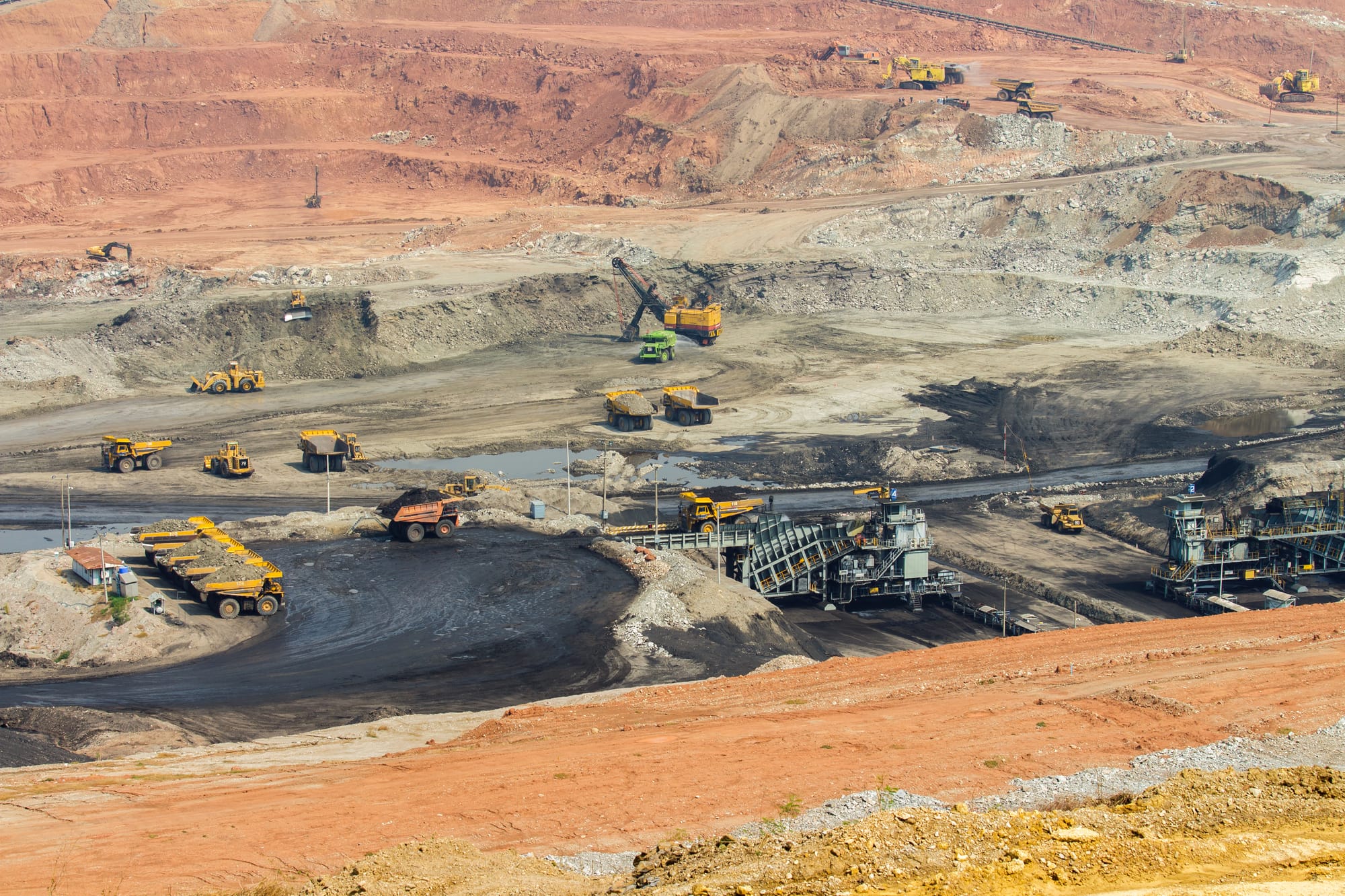
Production cannot always adjust quickly. Mines, oil fields, and energy infrastructure often take years to develop, meaning supply shocks can trigger sharp price movements.
At the same time, commodity markets are relatively small compared to global equity markets. When large pools of capital move into a particular trade, prices can shift dramatically.
The result is a market that tends to rotate violently rather than move in unison.
The Takeaway
Commodity markets are not a single trade.
They are a series of rotating narratives competing for capital.
Understanding this dynamic can help investors avoid chasing yesterday’s winners and better navigate the brutal capital rotations that often define commodity cycles.
Narratives can be powerful, but they are not always the same as reality.
Investors who recognize this distinction are often better positioned to stay disciplined when markets inevitably shift their focus to the next trade.
The Hard Economy focuses on the physical forces shaping markets — energy, metals, and infrastructure — explained in plain English.