Silver Is Up. So Why Aren’t Mining Stocks Following?

Silver has been volatile recently, and one question keeps appearing across investor forums and social media:
If silver prices are rising so much, why aren’t mining stocks moving the same way?
Silver has been on a dramatic run. After starting 2025 near $29 per ounce, the metal surged to over $70 by the end of the year — a gain of nearly 130%.
Some analysts now expect prices could move even higher in the coming years. J.P. Morgan Global Research, for example, sees silver averaging around $81 per ounce in 2026.
Naturally, moves like this spark speculation about mining economics.
Many investors are drawn to mining stocks rather than physical silver because miners can provide leveraged exposure to rising metal prices.
If the price of silver increases while production costs remain relatively stable, a mining company’s profit margins can expand rapidly.
Mining stocks also offer advantages over physical silver for many investors. They are easier to trade in brokerage accounts, avoid storage and security concerns, and in some cases may even offer dividends.
With all of that in mind, it seems reasonable to expect mining stocks to surge when silver prices rise dramatically.
Yet the relationship between metal prices and mining stocks is often more complicated than it appears.
The Simple Math Behind the Assumption
Underneath the surface, mining company equities are influenced by far more than the price of the metal they produce.
To understand the confusion, it helps to look at the simple model many investors use when thinking about mining companies.
Imagine a silver mine that costs roughly $25 to produce one ounce of silver. If the metal sells for $40, the company earns a margin of about $15 per ounce.
But if silver rises to $80 while costs remain the same, that margin suddenly jumps to $55 per ounce.
From this perspective, it seems obvious why mining stocks might surge during a silver rally. If profit margins more than triple, shouldn’t the company’s value rise dramatically as well?
Why Mining Reality Is More Complicated
In reality, however, mining economics rarely follow such a clean equation.
Production costs are not fixed. Energy prices, labor costs, equipment expenses, and regulatory requirements can all rise during commodity booms.
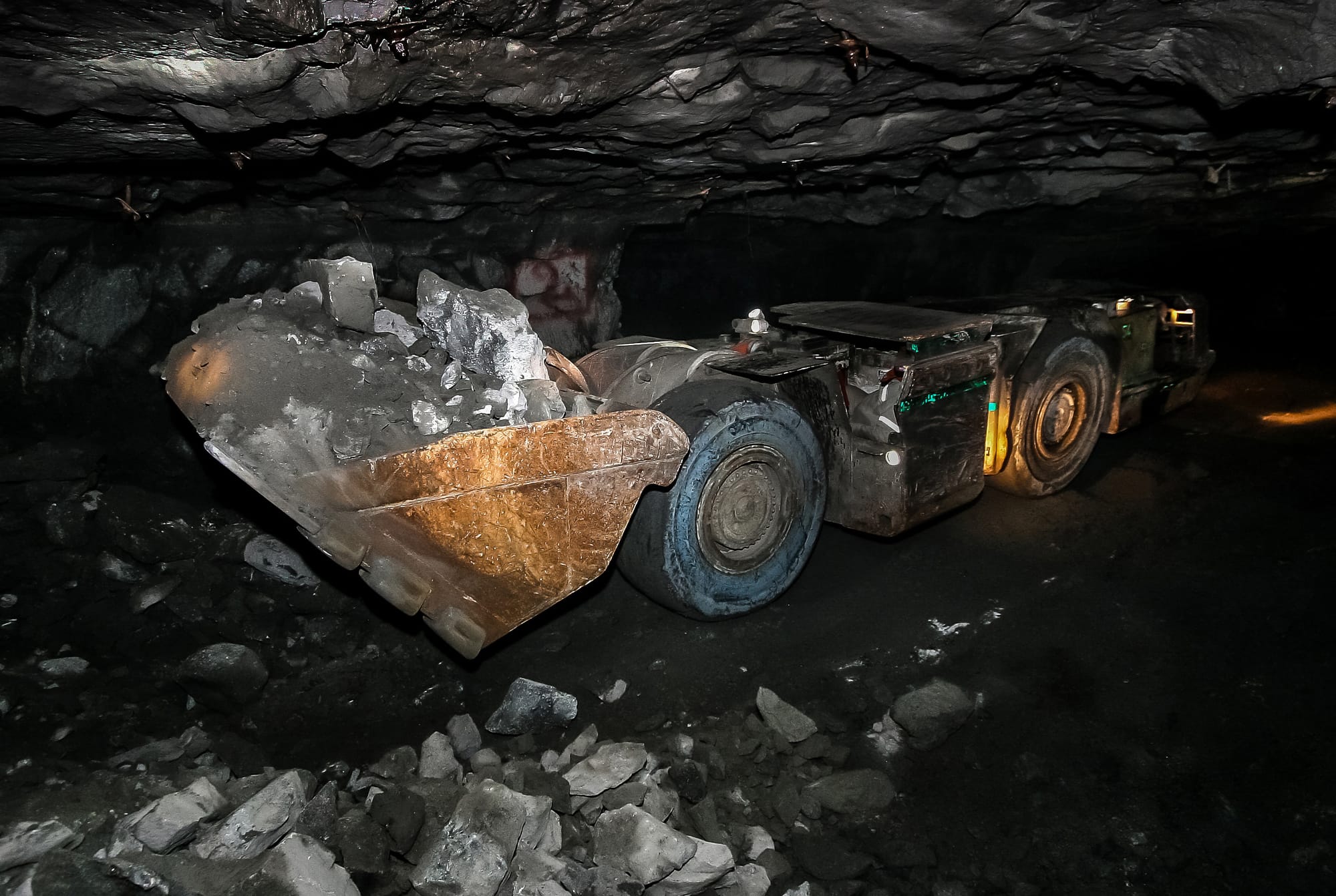
At the same time, mining companies face operational risks that commodity prices alone cannot solve. A permitting delay, a labor dispute, or a local political change can disrupt production even when metal prices are strong.
These factors mean that higher silver prices do not always translate directly into higher profits for every mining company.
Markets Often Move Before Earnings Do
Another important factor is how financial markets anticipate future earnings.
Investors rarely wait for stronger profits to appear in quarterly reports before acting. If the market expects higher silver prices to boost mining profits, that expectation is often priced into the stock months in advance.
By the time a company finally reports stronger earnings, much of the move may have already happened.
What Investors Should Watch Instead
For investors trying to understand mining stocks, the key is to look beyond the metal price alone.
Factors such as production costs, mine quality, jurisdictional stability, and a company’s balance sheet often play a larger role in long-term performance than short-term price swings in the underlying commodity.
In other words, rising metal prices can create opportunity — but only when the underlying business is positioned to benefit from them.
When Narratives Fade, Reality Remains
In markets, narratives can move quickly. Rising metal prices often spark excitement and speculation about mining profits.
But mining companies ultimately operate within physical and operational realities — geology, infrastructure, energy costs, and political conditions.
When narratives fade, those underlying forces often matter far more than the headline price of the metal.
The Hard Economy focuses on the physical forces shaping markets — energy, metals, and infrastructure — explained in plain English.